
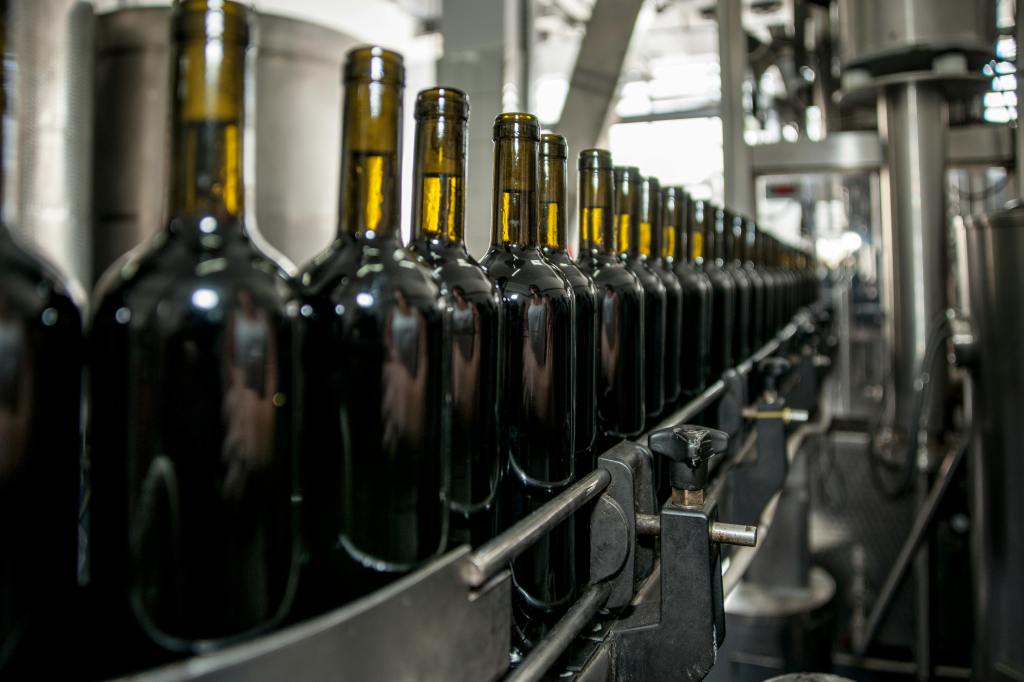
When we talk about the UK’s upcoming Deposit Return Scheme (DRS), beverage producers and manufacturers are at the very centre of the conversation. They are the ones who will finance the system, redesign packaging to meet new requirements, and carry much of the responsibility for its success.
Yet, for producers, DRS is more than a recycling programme; it’s a transformation that touches every part of their business. From packaging design to logistics, from compliance reporting to brand reputation, the scheme introduces new costs and complexities that can’t be ignored.
In this article, we dive into the position of beverage producers in the DRS landscape, explore the challenges they face, and outline practical solutions that can make the transition smoother for everyone.
The Producer’s Role in the DRS

Under DRS rules, a “producer” is anyone who first places an eligible drinks container on the UK market, whether they are a manufacturer, importer, or a retailer bottling under their own brand. This means producers are responsible for:
- Ensuring that all packaging is DRS-compliant, including labels and barcodes
- Paying fees to the Deposit Management Organisation (DMO) to fund the system
- Tracking and reporting how many containers they put on the market
- Helping to achieve return and recycling targets
In other words, they are both funders and facilitators of the entire scheme, a dual role that comes with both pressure and opportunity.
The Real-World Challenges for Producers
Rising Compliance Costs
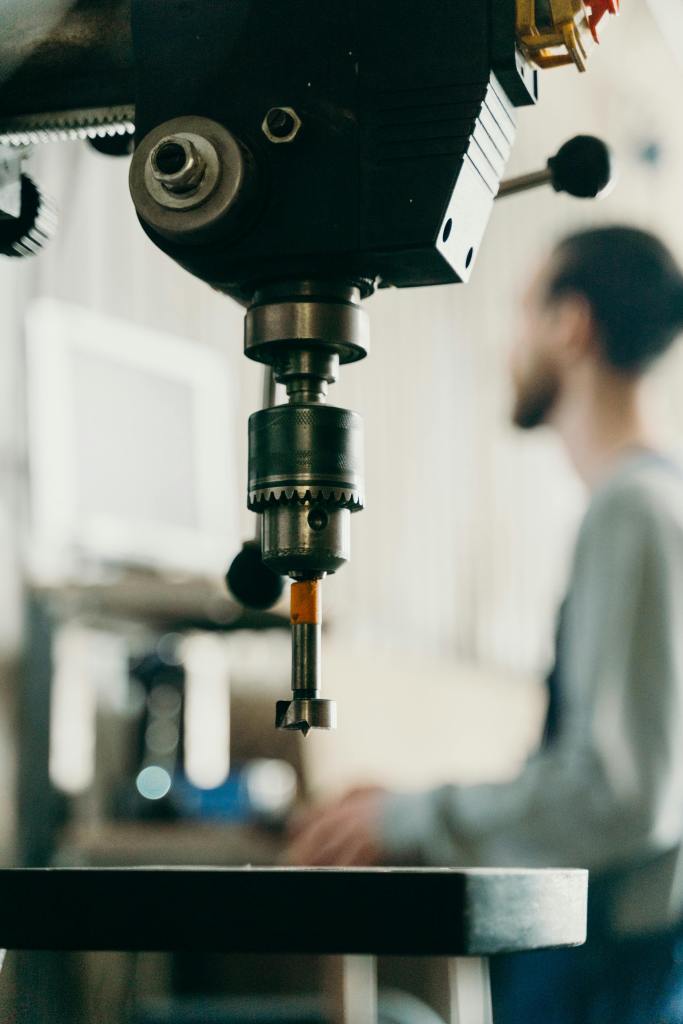
For producers, the financial implications of DRS are significant. Compliance means more than simply sticking a barcode on a bottle; it often requires:
- Packaging Redesign: Shifting to DRS-compliant containers, sometimes changing materials entirely to meet recyclability standards.
- Production Line Upgrades: Integrating new barcode and label printing technology into existing operations.
- Reverse Logistics: Supporting the collection and movement of returned containers back through the supply chain for recycling.
For multinational brands, these costs are painful but manageable. For small and medium-sized producers, they can threaten business viability.
The Complexity of Multinational Labelling
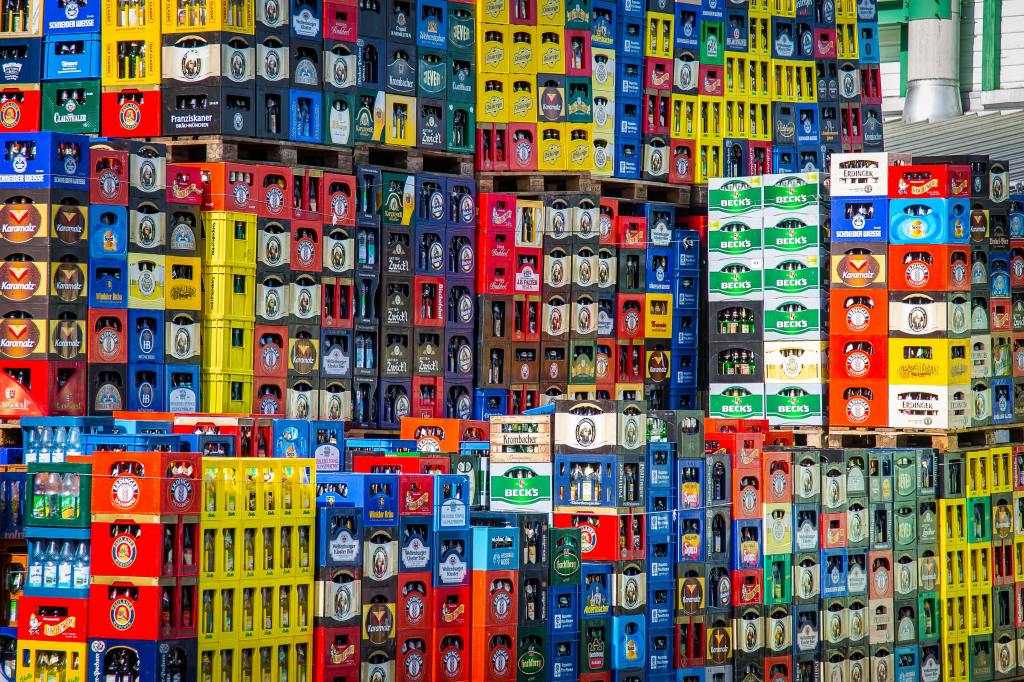
Perhaps the most frustrating challenge for producers is the lack of a unified approach across the UK.
- Wales plans to include glass bottles in its scheme.
- England and Northern Ireland will exclude glass.
- Scotland’s scheme, currently paused, may include glass if relaunched.
This fragmented approach forces producers to create multiple SKUs for the same product, one for Wales, one for England/NI, and possibly a third for Scotland in the future.
This leads to:
- Higher production and inventory costs
- Greater risk of mislabelled stock crossing borders
- Potential product write-offs when rules change
In some cases, this could even result in more waste, undermining the very environmental benefits the scheme is meant to deliver.
Reporting and Audit Burden

The DRS is a data-driven system. Producers must report exactly how many containers they sell and prove how many are collected. This creates a significant administrative load:
- Sales and return figures must be tracked with precision
- Reports must be submitted to the DMO on strict deadlines
- Producers must maintain audit-ready records in case of inspection
For producers without sophisticated ERP systems, this can become a time-consuming, error-prone process that pulls focus away from core operations.
The Risk to Brand Reputation
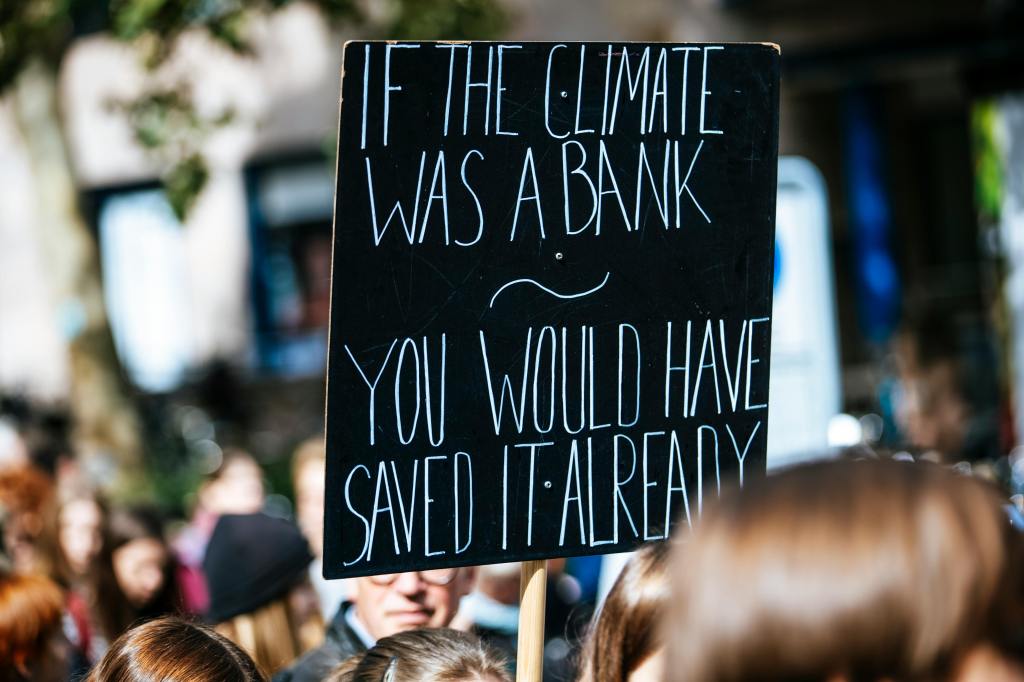
Finally, there is a softer but equally critical challenge, public perception.
If producers are seen to be resisting the scheme, delaying compliance, or failing to meet targets, they risk being painted as environmental blockers. In today’s eco-conscious consumer market, that can quickly damage trust and even hurt sales.
This is a communications challenge as much as an operational one. Producers need to be seen as partners in driving sustainability, not opponents.
Practical Solutions and Policy Recommendations

There are ways to address these challenges and make the scheme workable for producers, without compromising its environmental goals.
1. Create a Single UK-Wide Labelling Standard
A harmonised barcode and label format across all four nations would remove unnecessary duplication, simplify inventory, and reduce costs.
2. Introduce Phased Transition Periods
Producers should be given time to sell through existing stock before DRS rules apply. This would prevent unnecessary write-offs and financial waste.
3. Provide Support for SMEs
Government tax credits, grants, or low-interest loans could help smaller producers absorb the cost of compliance and adapt production lines.
4. Build a Centralised Digital Reporting Platform
A single, easy-to-use reporting system would reduce administrative overhead, minimise errors, and make compliance easier for producers of all sizes.
5. Launch a Clear Public Messaging Campaign
Government, DMOs, and producers should work together to communicate the shared benefits of DRS, positioning producers as part of the solution and protecting their reputations.
The Bigger Picture
Beverage producers are not just participants in DRS; they are key enablers of its success. Without their commitment and investment, the system cannot deliver on its promise of a truly circular economy.
Supporting producers with harmonised policy, fair timelines, and practical digital tools will ensure that the scheme strengthens rather than weakens the industry. Done right, DRS can become an opportunity for innovation, better packaging design, and stronger consumer trust.
ABOUT THE AUTHOR
“Stay informed. Subscribe for more insights on sustainable tech and circular economy solutions.”
 GreenBargains Initiative
Leave a comment