
Why the General Public Holds the Key to a Successful UK Deposit Return Scheme

As the UK’s Deposit Return Scheme (DRS) inches closer to rollout, much of the policy discussion has focused on infrastructure, compliance, and logistics. Yet one stakeholder group will ultimately determine whether the system succeeds or fails: the public.
DRS is more than a regulatory framework. It is a behavioral system, dependent on everyday people returning their bottles and cans in exchange for a small deposit. It’s in the hands of millions of students, seniors, families, and commuters that this national scheme will live or die.
And right now, too little attention is being paid to whether they’re ready or even able to participate.
Understanding and Acceptance: If People Don’t Get It, They Won’t Do It
A common thread across DRS rollouts worldwide is that public awareness drives participation. Unfortunately, early signals suggest many UK residents still don’t know what DRS is, how it will work, or why it matters.
Some may even see it as an extra cost, not a refundable incentive, particularly in communities already struggling with cost-of-living pressures. Without consistent, clear messaging about the benefits of DRS (environmental and financial), participation will be patchy at best.
What’s needed?
- Broad-based public education campaigns through schools, councils, media, and social networks.
- Transparent communication about how much will be charged as a deposit, how it will be returned, and why it makes a difference.
Access and Inclusion: A National Scheme Can’t Leave People Behind

Not everyone can easily access a return point. For people in rural areas, the elderly, people with disabilities, or those without smartphones, participating in a high-tech or centralised DRS could be frustrating or even impossible.
If DRS is to deliver environmental impact and social equity, inclusion must be built into its foundation.
What’s needed?
- Return options at trusted community hubs like local shops, schools, and religious centres, not just supermarkets.
- Multi-language support and clear visual guides for non-English speakers or those with low literacy.
- Low-tech options like printed QR codes, SMS-based refunds, or assisted returns for those without smartphones.
Return Infrastructure: If the Nearest RVM Is 12 Miles Away, Will People Use It?
One of the most significant barriers to participation is practical convenience. The assumption that people will travel to supermarkets to return their containers overlooks the daily realities of rural life, including tight schedules and mobility issues.
The early vision of a “Reverse Vending Machine (RVM) in every major store” may work on paper. Still, it risks excluding the very people who generate significant container volume in their everyday routines.
What’s needed?
- Decentralised return points with lightweight equipment
- Mobile return units for rural areas
- Incentives for small businesses to become local return hubs
These models aren’t just hypothetical; they’ve been tested successfully in Nordic countries and should be adapted to the UK’s geographic and social landscape.
System Overlap: Will DRS Clash with Kerbside Recycling?
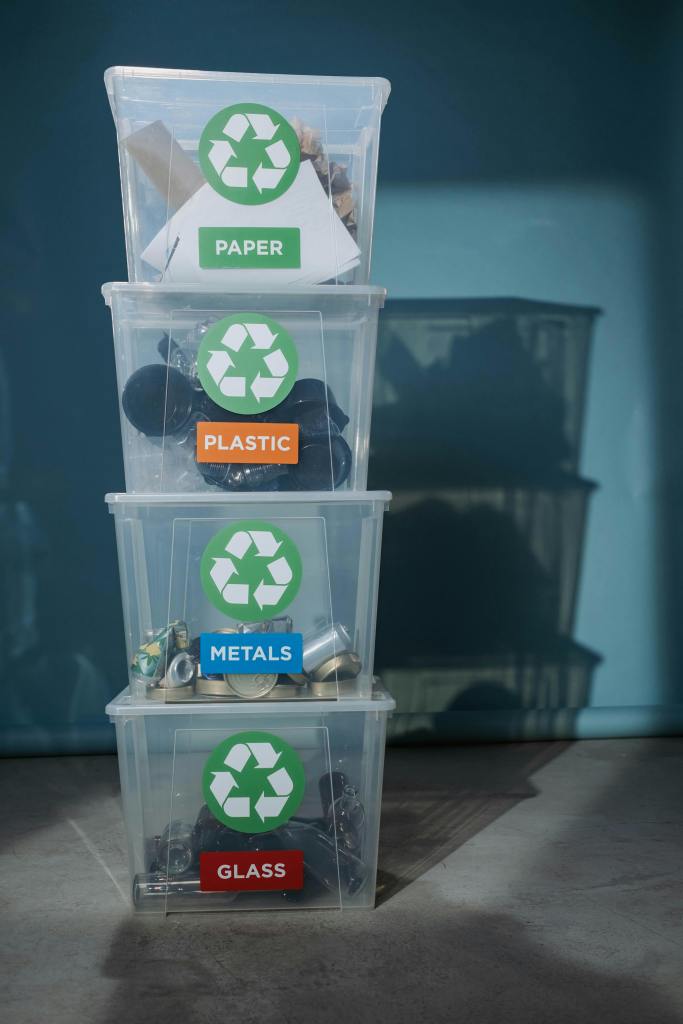
In many parts of the UK, people are already sorting their waste into separate bins, paper in one, plastics in another. If the DRS is introduced without clarity on how it fits into existing systems, it risks confusing the public and disrupting established recycling habits.
People may wonder: Should I still put this in the recycling bin? Or do I have to take it back to the shop now? That uncertainty could cause drops in both systems’ performance.
What’s needed?
- Consistent messaging that clarifies what goes where, and why
- Integrated planning between councils, recyclers, and DRS authorities
- A unified national guide that bridges kerbside collection and DRS participation
Recommendations: Making DRS a System the Public Will Embrace

To earn broad, sustained participation, the UK DRS must be designed around the people who use it, not just the systems that enable it.
That means:
- Making participation intuitive and rewarding, not confusing or costly
- Designing access that works for every community, not just the urban core
- Prioritising education, trust, and visibility from day one
- Listening and adapting to the real-life barriers people report
Final Thought: No Public, No Progress
A Deposit Return Scheme is only as good as the number of people who use it.
If public buy-in is low, even the most well-funded infrastructure will underperform. But if the scheme reflects the needs, rhythms, and expectations of ordinary people, including those too often overlooked, it can become one of the most impactful environmental reforms in a generation.
The public doesn’t need more bins; they need more reasons and more opportunities to do the right thing.
ABOUT THE AUTHOR
“Stay informed. Subscribe for more insights on sustainable tech and circular economy solutions.”
 GreenBargains Initiative
Leave a comment