
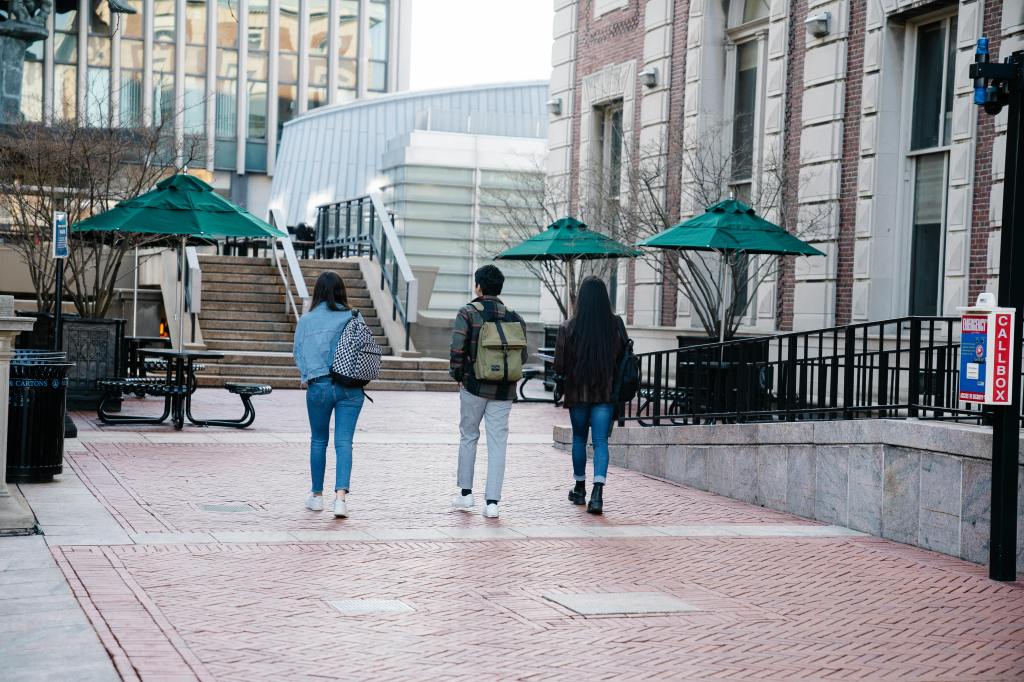
Walk through any university campus today, and you’ll see the future of sustainability in motion: reusable cups, recycling stations, student-led green societies, and climate pledges proudly displayed in lecture halls.
Yet behind this visible momentum lies a complex challenge: how to measure progress in a way that is consistent, connected, and genuinely impactful.
Higher education is where the circular economy can find its most evident proof of concept. Campuses are living microcosms of cities; they have diverse populations, multiple waste streams, complex logistics, and measurable environmental targets. If circularity can thrive here, it can thrive anywhere.
A Sector Ready for Systems Thinking

For decades, universities have been at the forefront of sustainability research. However, they are now increasingly being called upon to practice what they teach, to turn theory into measurable, circular action.
Many institutions already track energy use, travel emissions, and procurement footprints. But waste and recycling often remain fragmented, relying on disconnected systems or outdated metrics that capture what was collected, but not how behaviour is changing or why specific initiatives succeed.
The transition from awareness to accountability, from bins to behaviour, requires a new kind of systems thinking: one that connects people, infrastructure, and data into a single, interpretable picture.
The Circular Economy Starts Where People Are

Universities sit at a unique intersection of education, innovation, and community influence.
Every semester, tens of thousands of students adopt new habits in how they consume, dispose of, and engage with sustainability narratives. The impact of these experiences extends far beyond campus boundaries.
When campuses make circular practices visible, measurable, and rewarding, they don’t just manage waste; they shape a generation’s mindset about value, responsibility, and resource use.
And because universities already have built-in networks of communication and research, they can test and refine new approaches quickly, without waiting for national policies to catch up.
This agility makes higher education the perfect environment for testing what works in the real world of circular systems.
From Data to Direction: The New Sustainability Imperative

As the circular economy matures, the challenge isn’t simply increasing recycling rates; it’s understanding them.
Which interventions actually change behaviour?
Which materials cause the most contamination?
How do awareness campaigns translate into measurable action?
These are questions of insight, not infrastructure, and universities are ideally positioned to answer them. With their research capabilities and campus-scale ecosystems, they can turn everyday sustainability operations into evidence-based circular innovation.
What’s emerging now is a new kind of partnership between sustainability teams, facilities managers, and technology providers, one focused on generating actionable data and shared accountability, rather than isolated compliance.
Education Meets Implementation
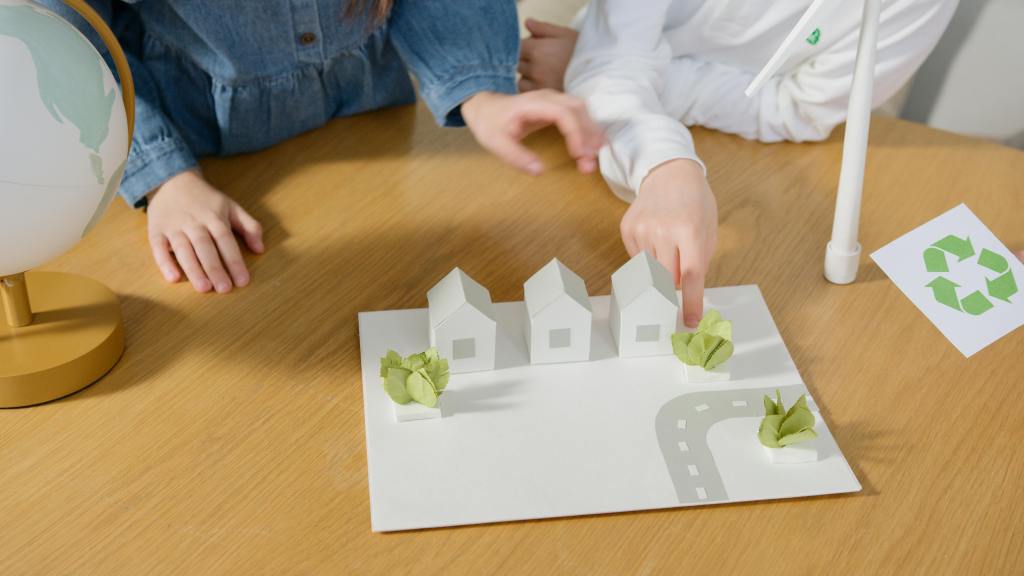
When universities adopt the circular economy not only as a theoretical concept but also as a measurable practice, they create living laboratories of change.
A campus that can trace its resource flows, monitor participation, and measure impact in real time becomes a powerful teaching tool, a case study in itself.
This convergence of education, engagement, and evidence unlocks new forms of collaboration:
- Researchers gain access to real data for sustainability studies.
- Students see their individual actions contribute to a visible collective outcome.
- Administrators can quantify progress against environmental commitments.
It’s circular thinking made tangible, sustainability you can see, study, and scale.
Why Measurability Matters

Circularity without measurement is just aspiration. To make genuine progress, institutions need systems that transform activity into understanding, showing not just what was done, but what difference it made.
In an era where stakeholders expect transparency and accountability, measurable sustainability has become a leadership benchmark.
Universities that can demonstrate data-backed circular performance are not only meeting environmental goals, but they’re also attracting research funding, industry partnerships, and the next generation of climate-conscious students.
The Opportunity Ahead
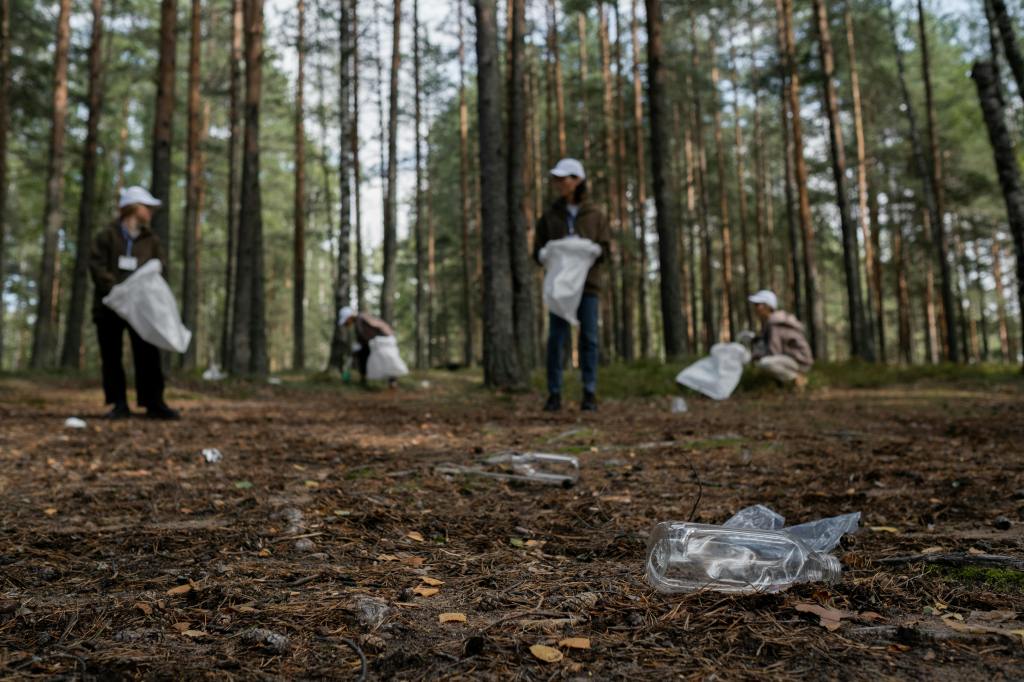
Higher education is more than a participant in the circular economy; it’s a catalyst. By connecting operational data with academic insight and community engagement, universities can model the scalable, evidence-based sustainability systems the wider world needs.
The next step is not just more recycling, it’s smarter, more connected recycling. Not just commitments, but measurable, data-informed outcomes that inspire others to follow. Because when universities lead with visibility and accountability, the entire circular economy benefits. And in that process, they don’t just teach sustainability, they demonstrate it.
Closing Thought

The circular economy depends on shared intelligence, a common understanding of how materials, people, and systems interact.
Universities are uniquely positioned to provide that clarity, bridging the gap between policy ambition and practical implementation.
By transforming their campuses into hubs of measurable circular practice, higher education institutions can do more than manage resources; they can model a future where sustainability is not just a concept but a quantifiable contribution to society.
ABOUT THE AUTHOR
“Stay informed. Subscribe for more insights on sustainable tech and circular economy solutions.”
 GreenBargains Initiative
Leave a comment