

The success of the UK Deposit Return Scheme (DRS) won’t be decided in boardrooms or policy papers alone; it will be shaped on the ground, in communities, schools, and local recycling centres, where sustainability either takes root or fades into bureaucracy.
At that level, one group has always carried the real pulse of change: local councils, NGOs, and community organisations. They are the connectors, translating national policy into everyday practice, turning recycling targets into real behaviour.
The Unsung Backbone of Participation

Before any bottle reaches a Reverse Vending Machine or a recycling depot, the journey often begins with a council-led campaign, a school eco-club, or a community group quietly doing the hard work of education.
These organisations understand their people, the rhythms of daily life, the barriers to engagement, and the motivations that inspire participation. They are the ones who make sustainability human.
In the UK’s DRS landscape, their role is threefold:
- Educators are guiding residents on how and where to return containers.
- Advocates, ensuring the scheme remains fair and inclusive for all communities.
- Facilitators, bridging gaps between policy, infrastructure, and public action.
Yet despite this, their influence in formal DRS governance often remains limited, and that gap is beginning to show.
The Growing Tension: When Local Meets Central

For many councils and NGOs, the DRS has raised an uncomfortable question: what happens to the local recycling systems they’ve spent years building?
Under the current model, materials such as aluminium cans and PET bottles, which were once valuable assets in kerbside recycling, will increasingly flow through DRS channels instead. That shift threatens to reduce council revenue from recycling contracts, squeezing already tight budgets and undermining investment in broader waste management services.
Beyond financial pressure lies another pain point: representation. Many local authorities and community groups feel that DRS design and decision-making have been overly centralised, with limited mechanisms for local input. The result is a system that risks being technically sound but socially disconnected, efficient on paper, yet inconsistent in real neighbourhoods.
The Human Side of Recycling

At its heart, recycling is not a technical problem; it’s a behavioural one. Councils and community groups have long been aware of this.
They’ve seen that the difference between a 50% return rate and a 90% one isn’t the type of bin, it’s whether people feel included, informed, and valued in the process.
That’s the social engagement piece that the UK DRS still needs to strengthen, the part that gives citizens visibility into their impact and rewards participation with purpose.
Turning Friction into Collaboration
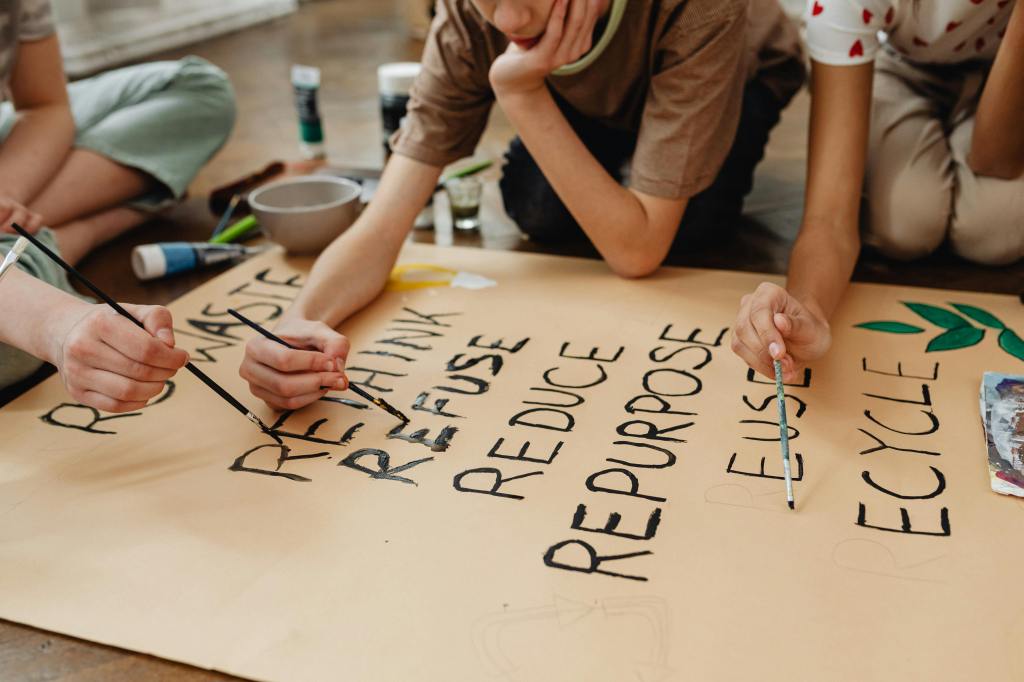
The next phase of DRS success will depend on how well local experience and national infrastructure can work together effectively. Rather than viewing councils, NGOs, and community groups as peripheral to DRS delivery, the system must recognise them as partners, with lived insight into how real people engage with recycling.
The path forward lies in co-design and shared accountability. Local authorities and community organisations should be equipped with the tools, data, and autonomy to adapt DRS principles to their own contexts, whether that involves piloting community-led return points, integrating education into existing waste services, or utilising smart infrastructure to reduce contamination and increase participation.
When national policy meets local knowledge, collaboration replaces competition. The result is a more inclusive, data-informed, and publicly trusted recycling system, one that treats citizens not as passive participants, but as active stewards of the circular economy.
A Shared Future of Accountability and Inclusion

If the DRS is to succeed across the UK’s diverse landscape, from city centres to coastal towns, it must be co-created with the very groups that know those places best.
Councils and NGOs are not peripheral players; they are the custodians of public trust. They bring the credibility, the relationships, and the local insight that technology alone can’t deliver.
When policy meets pavement, it’s these community actors who make the difference between compliance and culture change.
And in that shared space, between innovation, infrastructure, and everyday participation, the DRS can evolve from a compliance mechanism into a national culture of accountability and inclusion.
ABOUT THE AUTHOR
“Stay informed. Subscribe for more insights on sustainable tech and circular economy solutions.”
 GreenBargains Initiative
Leave a comment