
When most people think of a Deposit Return Scheme (DRS), they imagine the front end: a consumer dropping a bottle into a machine, receiving a voucher, and leaving satisfied.
But behind that moment is a complex chain of activity, one that quietly determines whether DRS succeeds or struggles.
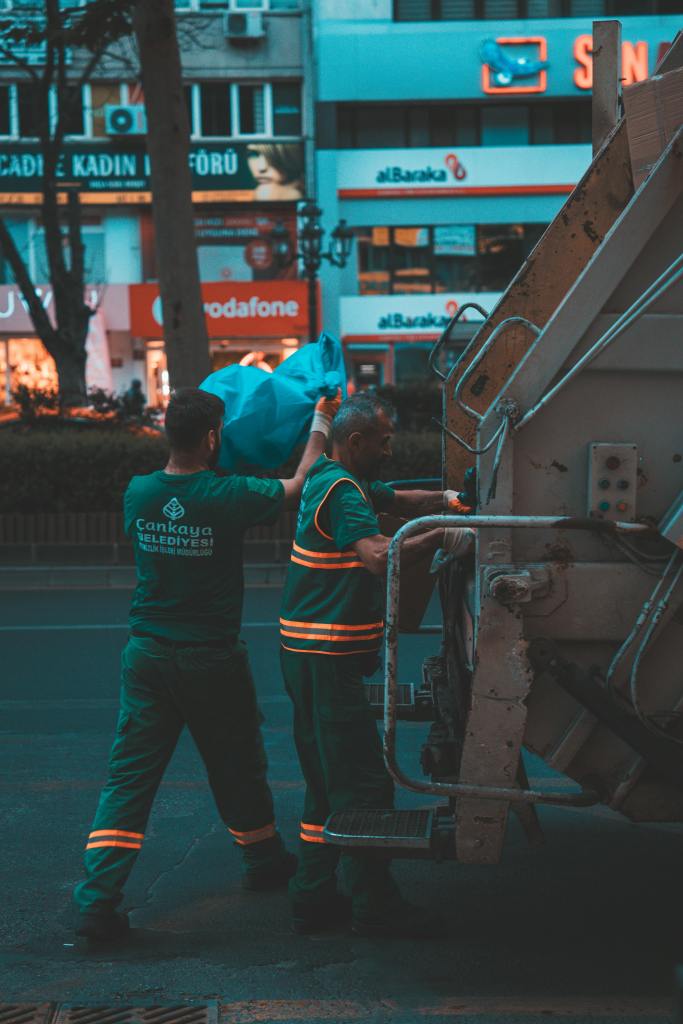
That chain belongs to the logistics and collection operators. These companies are responsible for collecting returned containers, transporting them to counting centers, and delivering them to recyclers. They are the system’s circulatory system, keeping material flowing, and when that flow is interrupted, the whole scheme feels it.
The Real-World Challenges of Collection & Transport
1. Fixed Routes in a Dynamic System
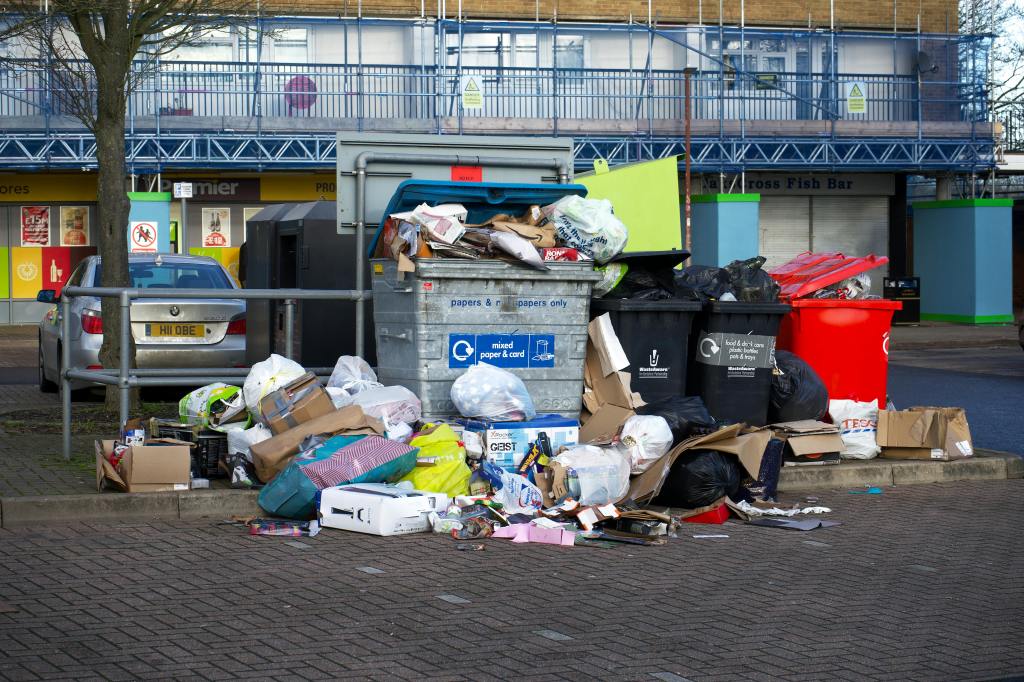
Most operators still rely on preset collection schedules. Trucks roll whether the bins are full or nearly empty. This leads to inefficient mileage, higher emissions, and unnecessary labour costs, or worse, late collections and overflowing return points that frustrate retailers and consumers.
2. Unpredictable Consumer Behaviour
Container returns aren’t evenly distributed. Festivals, sporting events, paydays, or even weather can create sudden surges. Without predictive data, operators are left scrambling with emergency pickups or underutilized vehicles, both of which are costly scenarios.
3. Contamination Risks
When collection points overflow, containers can be exposed to dirt, pests, and non-deposit waste. This reduces the value of the recovered material, making it more challenging to achieve high-quality recycling targets and increasing processing costs.
4. Data Blind Spots
In many systems, operators have little or no real-time visibility of fill levels or status. Problems are discovered only upon arrival. This reactive model wastes resources and prevents long-term optimization.
5. Decarbonisation Pressure
With most DRS markets committing to net-zero pathways, operators are under pressure to decarbonise fleets while maintaining reliable coverage. Electric vehicles and low-emission routes are ideal, but without efficiency gains, the economics can become challenging.
Why This Matters Beyond Logistics

When logistics performance falters, the ripple effect is felt across the DRS ecosystem:
- Retailers face operational headaches and angry customers when bins overflow.
- Scheme administrators see higher costs per container and risk of public backlash.
- Producers lose access to clean, high-quality recyclables, which jeopardizes their ability to meet recycled content targets.
- Consumers lose trust and are less likely to keep participating if return points look neglected.
In other words, the health of the logistics network determines whether DRS stays a smooth, trusted system or becomes another friction point.
More Innovative Logistics: A Practical Path Forward

Rather than ripping out existing infrastructure, the solution lies in layering intelligence on top of what already works. The goal is to make logistics more predictable, efficient, and responsive.
Real-Time Fill-Level Monitoring
Sensors or connected RVMs can provide continuous status updates, alerting operators before a problem arises. Collections become triggered by need, not by schedule.
Dynamic Route Optimization
Using live data, operators can re-route trucks on the fly, combining stops intelligently and avoiding wasted trips, which cuts fuel costs and CO₂ emissions.
Predictive Demand Planning
With sufficient historical data, systems can forecast return peaks, such as after major sporting events or university term breaks, and pre-position resources to avoid crisis pickups.
Cleaner Material Streams
Better-timed collections reduce contamination, thereby boosting material quality and value for producers, which in turn makes the entire circular economy financially healthier.
Transparent Reporting
Data integration can give scheme administrators a clear view of collections; when, where, and how much, strengthening accountability and building public confidence.
Collaboration: The Missing Link

Technology can give us data, alerts, and dashboards, but it cannot coordinate people. For a DRS to function optimally, the human and operational elements must be aligned.
Collection operators, retailers, scheme administrators, and solution providers all sit at different points in the chain, often working to their own schedules and priorities. When communication is poor, bins overflow, trucks run half-empty, and valuable material gets contaminated.
Collaboration changes this. When stakeholders share data and plan together, collection routes can be adjusted in real time, retailers know when to expect pickups, and scheme administrators can see a clear picture of performance. This alignment not only prevents problems but also builds trust among participants and confidence among the public.
The future of DRS logistics depends on breaking down silos, combining technology with partnerships so that every trip, every pickup, and every report contributes to a cleaner, more efficient, and more cost-effective circular economy.
The Big Picture
Logistics might be invisible to most consumers, but it is the beating heart of DRS.
If we get it right, we create a system that is cost-effective, low-carbon, and trusted by the public.
If we ignore it, we risk incurring higher costs, using dirtier material streams, and experiencing declining participation rates.
The future of DRS depends on providing logistics operators with the tools and data to perform their job brilliantly, and in doing so, we strengthen the entire circular economy.
ABOUT THE AUTHOR
“Stay informed. Subscribe for more insights on sustainable tech and circular economy solutions.”
 GreenBargains Initiative
Leave a comment