
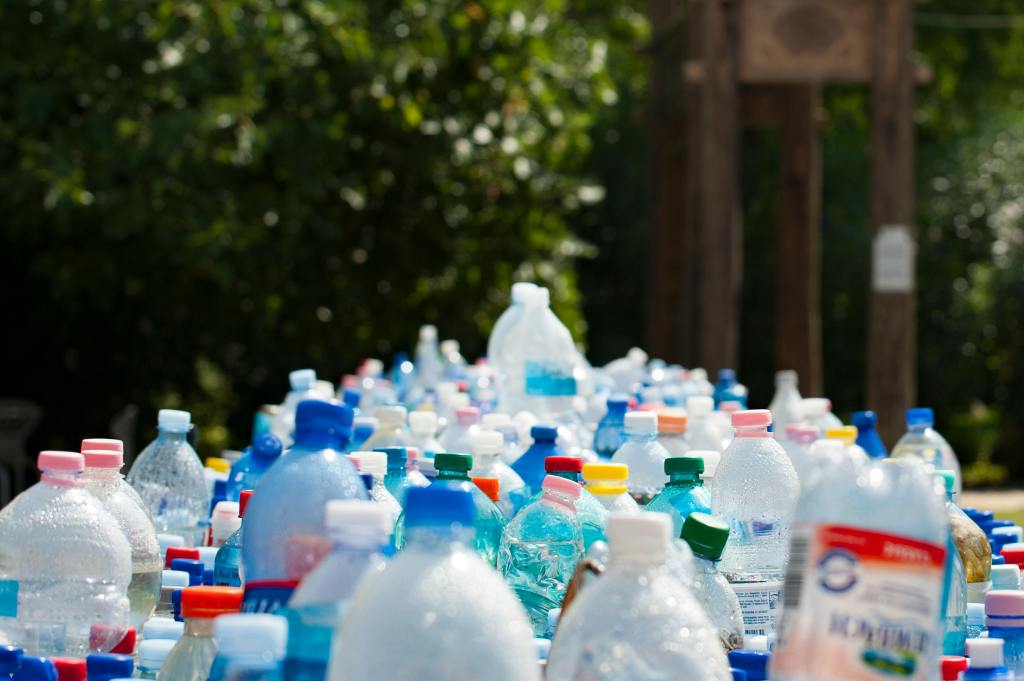
When the UK Deposit Return Scheme (DRS) goes live, its success won’t just depend on the size of the deposit or the number of bottles redeemed. It will rely on something far more human, the experience that customers have when they walk into a shop to return their empty containers.
Retailers sit at the frontline of the DRS; they will host return points, interact with consumers, handle logistics, and in many cases take the blame if something doesn’t work. Their role is critical, and if their concerns aren’t addressed, the scheme risks low participation, frustrated customers, and negative headlines.
This article delves deeper into what retailers are really facing, why it matters, and how practical solutions, including more innovative technology and better collaboration, can make the DRS efficient, balanced, and future-proof.
The Hidden Weight on Retailers’ Shoulders
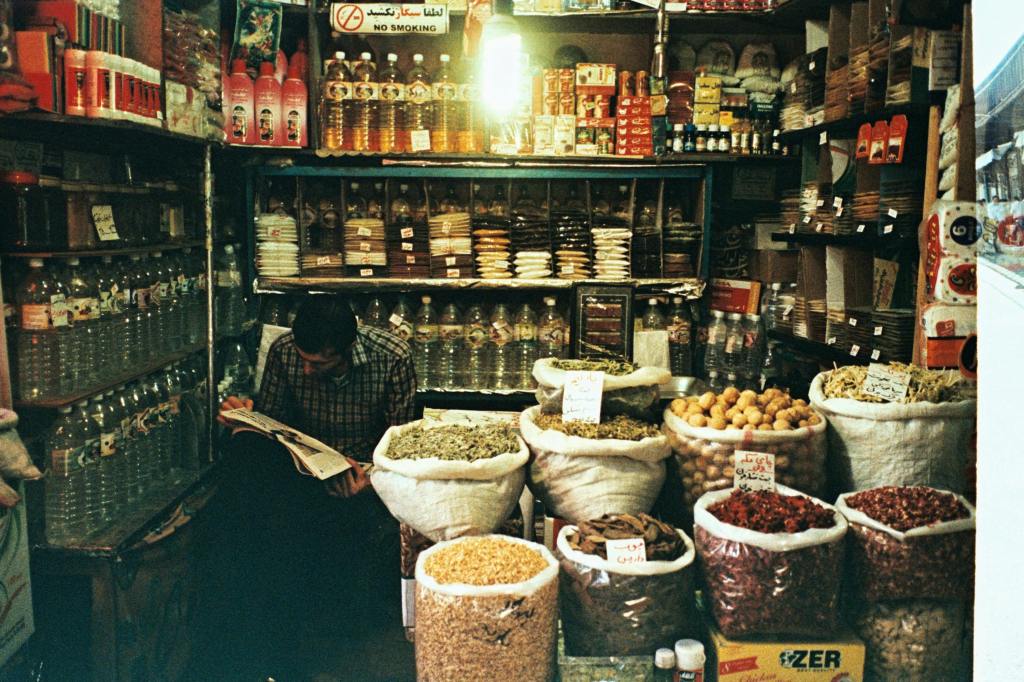
Retail is already a high-pressure industry, operating on tight margins and balancing multiple priorities: customer service, inventory management, staff scheduling, and compliance with food safety rules. The DRS adds a brand-new layer of complexity:
- Hosting return points: Installing Reverse Vending Machines (RVMs) or operating manual return systems.
- Handling high volumes: Collecting, storing, and securing large quantities of used containers, which are often dirty or sticky.
- Processing transactions: Issuing deposit refunds and reconciling accounts with the Deposit Management Organisation (DMO).
- Managing customer expectations: Answering questions, resolving disputes, and maintaining a pleasant in-store experience.
In countries where DRS is already in place, such as Germany, Norway, and Lithuania, retailers have been the most visible touchpoint for consumers. Their ability to provide a smooth, efficient return process has been closely tied to high participation rates (Norway’s DRS achieves return rates of over 90%).
But that success doesn’t come without investment, and for UK retailers, there are very real pain points that must be acknowledged and solved.
Where Retailers Feel the Strain

Space and Infrastructure Limitations: Small convenience stores often operate on as little as 50–100 square metres of selling space. Installing an RVM can require significant layout changes and sometimes necessitate the sacrifice of shelves that generate revenue. For some, this could mean lost sales or expensive renovations.
Operational Complexity: Running a return point is not just “plug and play.” Staff must be trained to manage machine jams, handle manual returns, and maintain hygiene standards. Containers must be stored safely until pickup, without obstructing backroom operations.
Financial Flow and Admin: Retailers will temporarily hold deposits before they are reimbursed. If settlement cycles are slow, this can create cashflow issues, particularly for smaller businesses that operate on thin margins.
Customer Experience Pressure: Retailers are the face of the DRS for most consumers. If a machine rejects a bottle, or if there’s a long queue, shoppers will complain, often loudly and publicly. This can harm a retailer’s reputation even when the fault lies with the system.
Logistics Bottlenecks: Collections that are too infrequent or poorly scheduled can lead to overflowing storage areas, unsanitary conditions, and even blocked fire exits or delivery bays.
Building a DRS That Works for Retailers

A retailer-friendly DRS doesn’t just solve problems, it creates a better experience for consumers, reduces administrative headaches, and strengthens trust in the scheme. Here’s how that can be done:
Flexible Participation Models: Not every retailer has to operate in the same way. Exemptions for tiny stores, shared RVM hubs in dense urban areas, and flexible manual take-back options can reduce the burden without reducing convenience for consumers.
More innovative, Space-Saving Technology: Modern RVMs are more compact than ever, and some can be wall-mounted or placed outside to save indoor space. Machines with remote monitoring can send alerts when full or when service is needed, reducing downtime and staff workload.
Digital Accounting and Fast Settlement: Automated data feeds between retailers and DMOs can streamline reconciliation and reduce the risk of human error. Fast or even real-time settlement of deposits can help maintain a healthy cash flow and reduce financial stress.
Training, Communication, and Support: Clear onboarding, video tutorials, and responsive support lines will make staff confident and customers satisfied. Countries with the most successful DRS rollouts, such as Lithuania, paired technology deployment with robust public education campaigns, resulting in fewer disputes and higher participation from the outset.
Data-Driven Collection Scheduling: Collection routes can be optimised based on fill-level data from machines. This prevents overflow, ensures hygiene, and keeps backroom operations running smoothly.
Customer-Friendly Experience Design: Clear signage, intuitive machine interfaces, and even reward incentives (such as coupons or loyalty points) can make returns feel like a positive part of the shopping experience, not an inconvenience.
The Bigger Picture: Why This Matters

Retailers are more than just a link in the chain. They are the public interface of the DRS. If they feel unsupported or overburdened, it risks undermining the entire scheme. But if their needs are met, they can become powerful advocates, educating consumers, encouraging participation, and turning sustainability into a shared win.
A well-designed DRS will respect the realities of retail operations while helping the UK hit its recycling and circular economy targets. That means investing in the proper infrastructure, streamlining processes, and building a culture where retailers see the scheme not as a burden, but as an opportunity to lead the charge toward a cleaner, more sustainable future.
ABOUT THE AUTHOR
“Stay informed. Subscribe for more insights on sustainable tech and circular economy solutions.”
 GreenBargains Initiative
Leave a comment