The Missed Opportunity of Designing for Community Touchpoints
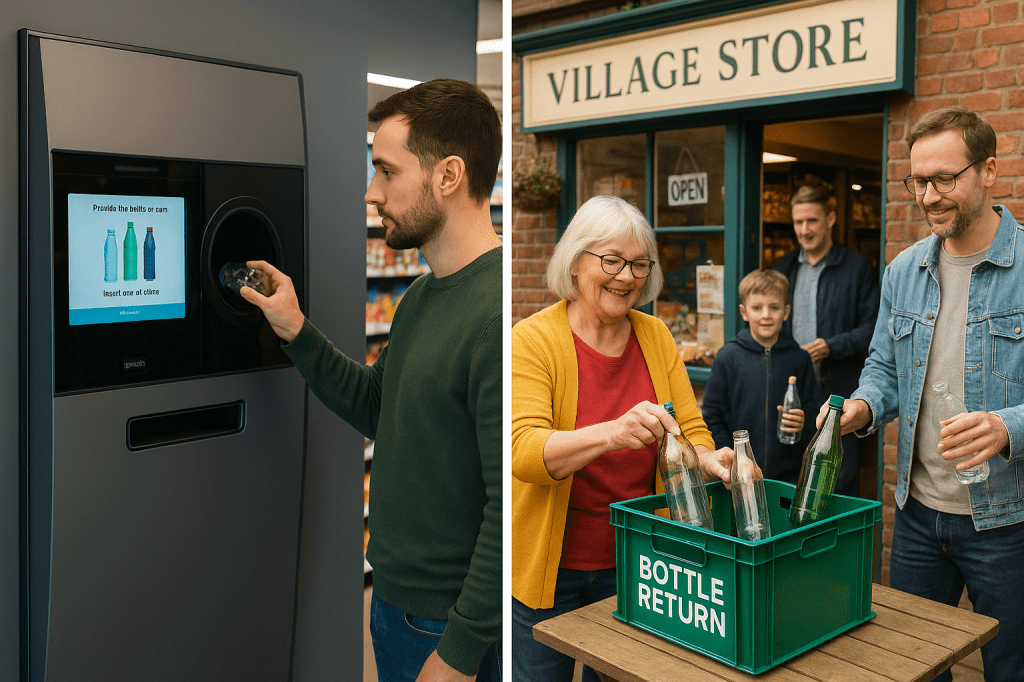
Deposit Return Schemes (DRS) are often judged by the number of machines installed, the tonnes of material recovered, or the percentage return rate achieved. Yet, one of the most expensive hardware in the recycling space cannot guarantee public trust or participation. The real measure of success lies in how well a system integrates into the daily lives, behaviours, and social networks of the people it serves. Unfortunately, many DRS rollouts still treat the Reverse Vending Machine (RVM) as the beating heart of the scheme, rather than one tool in a much wider network of collection and engagement points. When trust is lost, through poor access, limited return options, or a sense that the scheme serves industry more than communities, participation falters. Conversely, when local touchpoints are embedded into the design, participation becomes part of daily life, and the scheme benefits from natural word-of-mouth advocacy.
The Limits of Machine-Centric Thinking
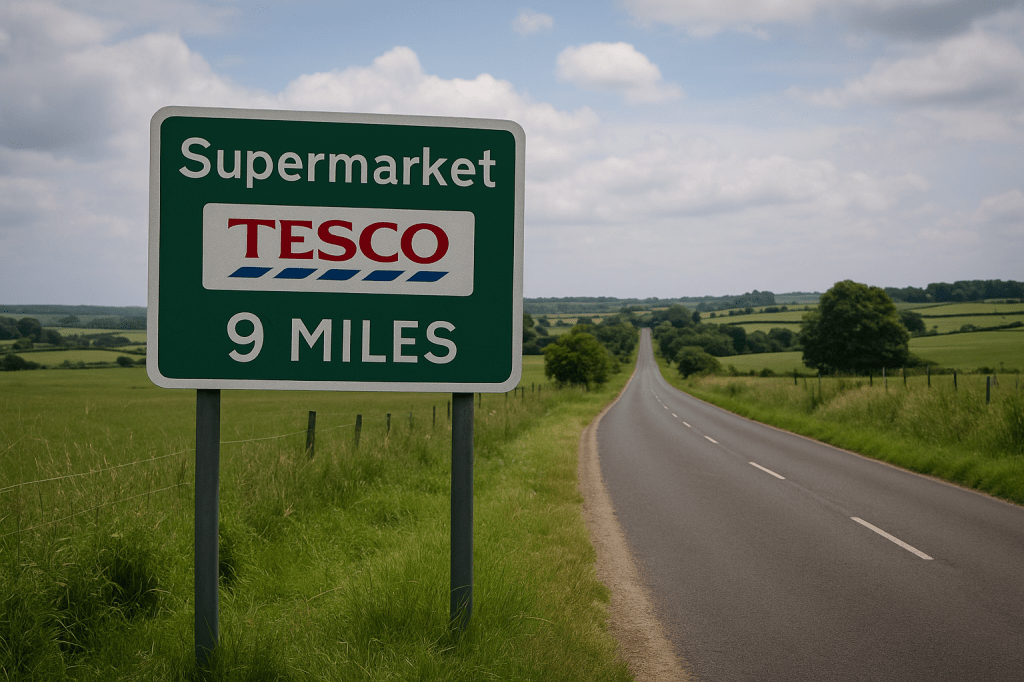
In many schemes, RVMs dominate planning and investment. They are highly visible, easy to measure, and reassuringly “technical” — but they are also location-biased. RVMs cluster where footfall is highest: supermarkets, transport hubs, and retail parks. This makes sense for efficiency, but risks excluding large portions of the population: rural and remote communities, where the nearest large store might be several miles away; elderly residents or people with mobility issues who cannot easily travel; low-income households without reliable access to transport. If the only way to participate is to travel to an RVM, the scheme silently penalises certain groups, which can quickly undermine public trust and engagement.
Trust is Built in Familiar Spaces

Public trust in recycling systems is not a given; it is earned. People need to believe: the system is fair and accessible; their effort will have a real impact; and the rewards, whether financial, environmental, or social, are worth their time. This trust often comes from familiar, everyday spaces. In countries with high-performing DRS, such as Germany and Finland, infrastructure design doesn’t just focus on machines in big stores. It also considers local shop returns, where people already buy their drinks; school collection programmes, engaging children as champions of recycling; community centre drop-offs, building social reinforcement into participation; and charity partnerships, enabling people to donate their deposit to causes they care about. When the scheme meets people where they are, it sends a message: this is your system, not just a compliance mechanism.
The Untapped Potential of Informal Collectors
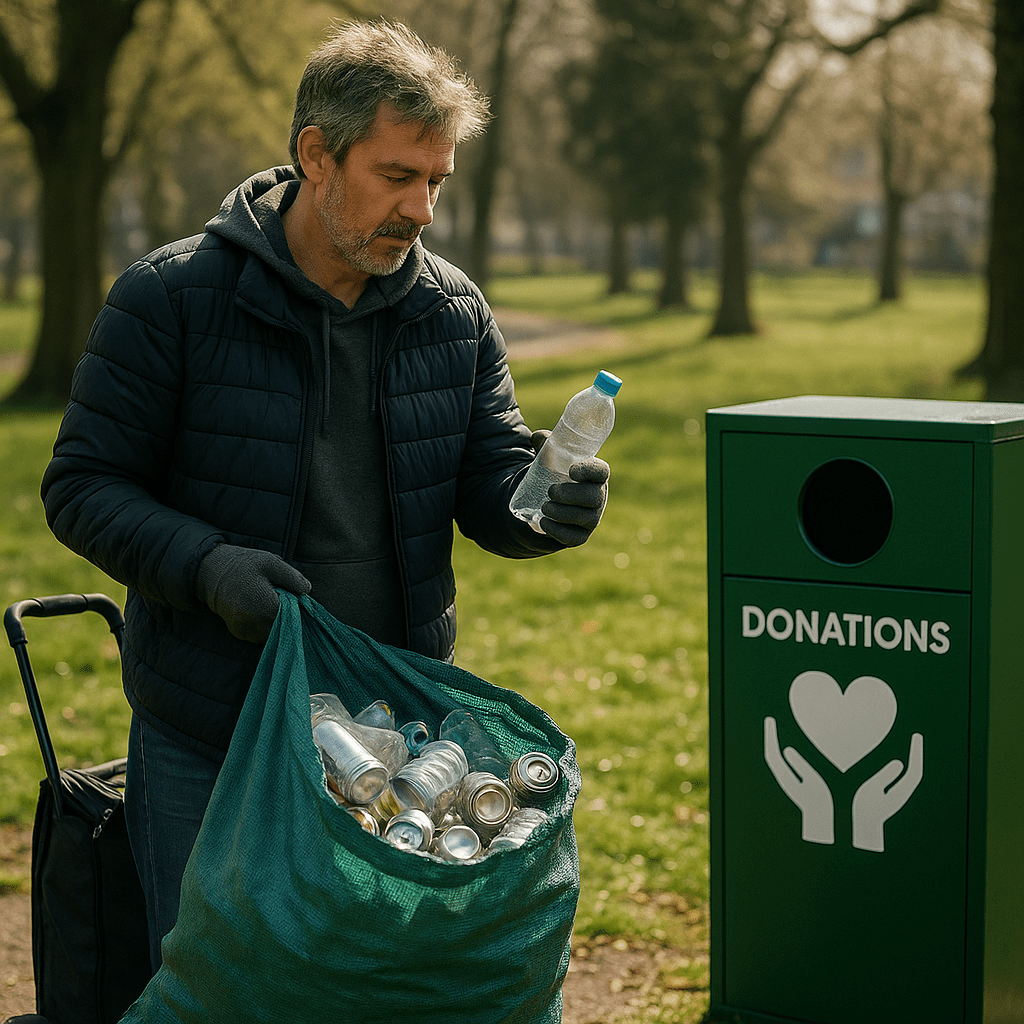
Across the world, informal collectors, individuals who gather recyclables for income, play a significant role in achieving high recovery rates. In the UK context, while not as visible as in some other nations, there are still groups that routinely gather cans and bottles from public spaces. A well-designed DRS could formally recognise and support these collectors, integrating them into the value chain: providing secure, easy-access return hubs; offering bulk return bonuses or community micro-rewards; and linking them to local charities or community projects for shared benefit. Far from undermining the formal system, these actors can increase coverage, recover hard-to-reach containers, and build community engagement.
From Compliance to Connection: Localised Incentive Models

Traditional DRS incentives are purely transactional — return the container, get the deposit back. But localised models can layer additional rewards, both monetary and non-monetary, that strengthen trust and participation: community goal tracking, where neighbourhoods earn collective rewards (e.g. park improvements, school funding) when they hit recycling targets; seasonal or thematic campaigns linking returns to local events, such as festivals or sports matches; social recognition such as public leaderboards or recognition for high-return individuals or groups. These models make recycling a shared story, not just a solo act.
Why DMOs Should Care

Deposit Management Organisations often focus on cost efficiency and regulatory compliance. But trust-driven participation is not a “soft” metric; it directly impacts the bottom line. Higher participation means higher return rates, better material quality, and lower costs per recovered unit over time. A DRS that fails to engage communities faces a slow bleed of participation, forcing costly awareness campaigns or risking political backlash. In contrast, a system that embeds itself in daily community life benefits from unpaid promotion and sustained engagement.
Closing the Trust Gap
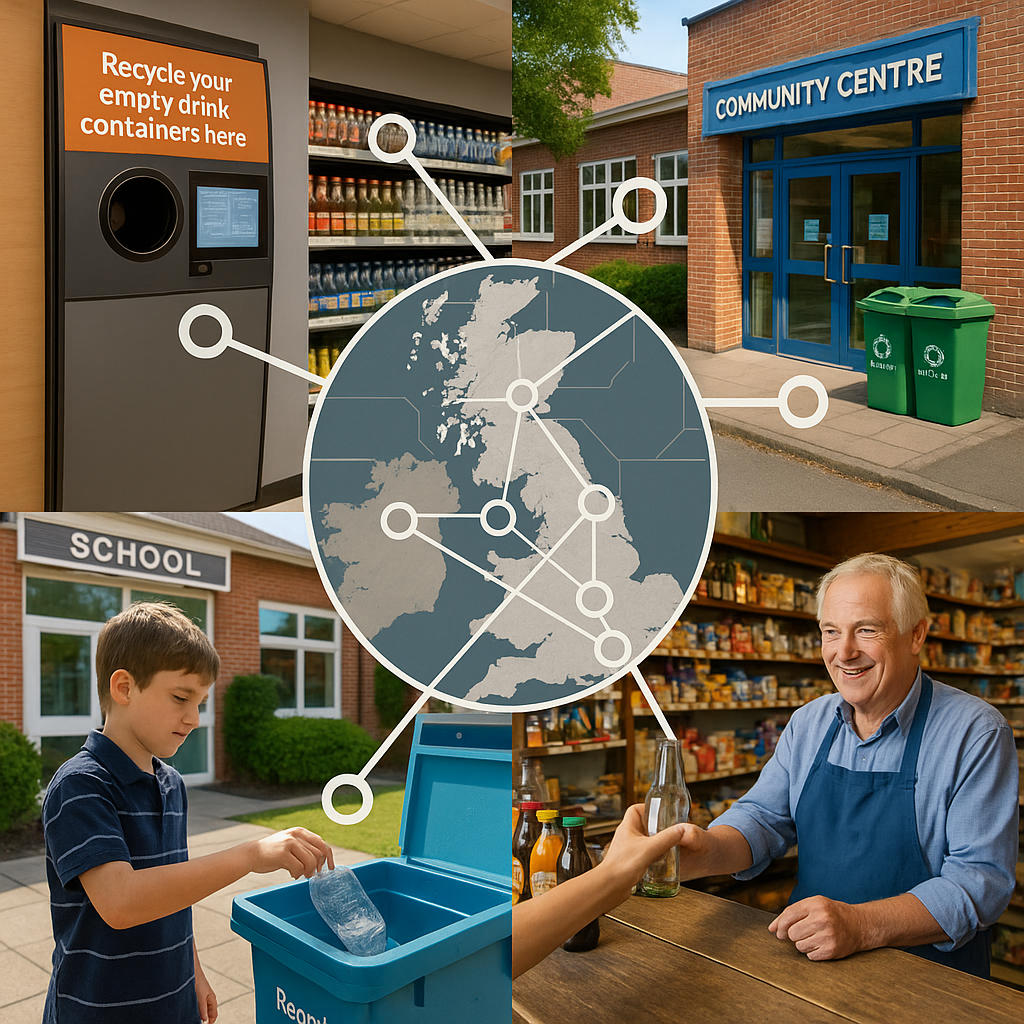
If the UK and other nations want to avoid the pitfalls seen in machine-heavy, poorly integrated DRS rollouts, they should:
- Diversify return points beyond RVMs to include small retailers, schools, and community hubs.
- Design incentives that go beyond refunds, tapping into social and community motivations.
- Integrate informal collection networks into formal DRS operations.
- Maintain transparency about where returned materials go and the real-world impact achieved.
Public trust is not built by hardware alone. It’s built in the spaces between — the school hallway, the shop counter, the local park — where behaviour becomes habit and habit becomes culture.
ABOUT THE AUTHOR
“Stay informed. Subscribe for more insights on sustainable tech and circular economy solutions.”
 GreenBargains Initiative
Leave a comment